-
Module 1: Digital Education: The Myths and Facts
- Video Overview of Module 1
- Learning Objectives
- Map Your Digital Day Activity
- How digital tools support the typical characteristics of adult learners
- ACTIVITY- Download Discover’s “Typical characteristics of Adult learners” and see which traits apply most to YOUR students!
- ACTIVITY- Download Quiz and use Kahoot to turn it into an interactive quiz for your participants!
- Lesson Activity Part 1- Group Research Exercise Using Diigo!
-
Module 2: Digital Inclusion: How the Design and Use of Digital Technology Can Promote Equality in Education
- Video overview of Module 2
- Learning Objectives
- What is digital inclusion, why is it important?
- How can we promote digital inclusion?
- ACTIVITY: Download Digital Inclusion Case Study Guide
- TRUST- Overcoming the phycological barriers of the digital world
- MOTIVATION-Supporting Adult learners driven by a specific purpose!
-
Module 3: Innovative teaching...resources and practices that enhance learning and teaching!
- Video Overview of Module 3
- Module 3’s downloadable learning objectives
- Why do we need Innovative teaching methods?
- The role of the educator
- The flipped classroom teaching method!
- Problem based learning as an innovative teaching method!
- Jigsaw technique as an innovative teaching method!
- Inquiry based learning as an innovative teaching method!
- ACTIVITY: Download DISCOVER’s learner feedback worksheet!
-
Module 4: Mobile Learning
-
Module 5: Games and learning
- Video summary of Module 5
- Module 5’s Downloadable learning objectives
- Introduction to Game based learning
- The Advantages and disadvantages of game-based learning
- Game based learning in practice- how to get started!
- Examples of Adult learning games!
- Lesson Activity Part 2 – Group Presentation Activity using Powtoon
-
Module 6: Learning Spaces AND Collaborative virtual environments
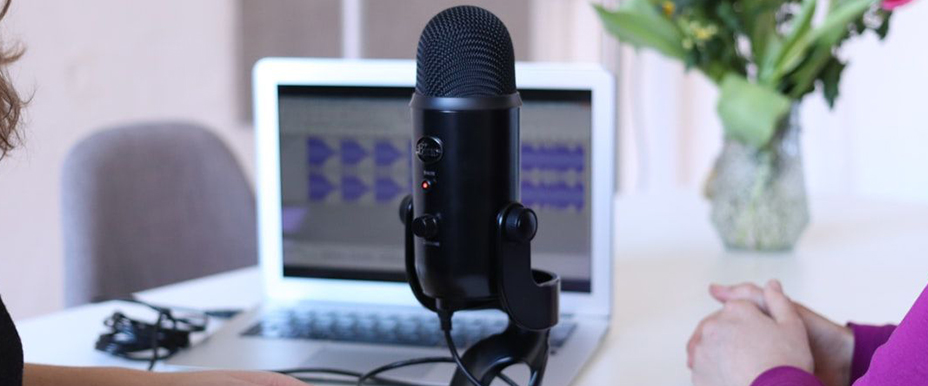
The use of Podcasts within Mobile Learning
While m-learning has been criticised for distracting students, we know that adult learners are better suited to mobile learning than young students given their self-motivation to take on extra education. However, if as an educator you are still worried about the disruptive aspect mobile learning poses, then podcasts could be the answer.
Tech savvy educators are beginning to see the benefits of podcasting; podcasts are cheap, less distracting, and require minimal screen time.
Unlike mobile applications, podcasts do not require sophisticated hardware or expensive upfront costs. Podcasts are small audio files that can be easily streamed or downloaded by nearly any internet connected mobile device – devices that a majority of adults across Europe own or have access to. There are mp3 players, cell phones and wearable tech options for nearly every price point. Podcasts drastically reduce the upfront cost of mobile learning.
Podcasts help avoid issues with distraction and excessive screen time as well. Since podcasts are just audio files, they can be played by less sophisticated devices without the distractions of social media and games. Students can also put the screen away while they listen, thereby avoiding too much screen time.
Podcasts are an excellent solution to the major problems that face mobile learning. They have additional benefits:
- Studies suggest that humans are more likely to retain information they hear than information they read after a two-week period. Combining reading and listening provides a multifaceted approach that caters to both visual and auditory learners
- Podcasts can also help disadvantaged students. Educators are familiar with utilizing audiobooks to engage visually impaired, dyslexic, or EAASL students. Podcast only further enhance the volume of materials that educators can utilize to reach these students.
- Follow the link to read 7 more advantages that might just sway you to use podcasts in your educational delivery!

This video will explain why you should use podcasts with your students, what low-cost resources/tools you need to record a podcast and some examples of podcasts being used by real educators!